


Who is late, and by how much
A unit that has not turned up is visible the moment it is overdue.
Three camera views appear where each camera sees the yard, then the view pulls back across the site to Trailer 4471 at Door 04, with 6 hours 12 minutes on site. Illustrative spatial visualisation.
Yards, freight sites and vehicle terminals
Runs off your cameras instead of manual data entry. Arrivals, dock scheduling and yard moves all follow the live state of the site, so trucks turn faster and loads leave on time.
A clear position, a continuous clock, and the state of every door.
Location and time, connected to your records.
See it for your siteA unit that has not turned up is visible the moment it is overdue.
A door blocked by a finished trailer reads as capacity, not a full dock.
Ranked on what the docks need next, so the mover stops running empty.
Gate in to gate out, per unit and per carrier.
No new hardware
Nothing keyed in
Doors, moves and arrivals
Illustrative · Trailer 4471 · 06:00 to 12:30
Deployed in US freight yards. Validated at a major Australian port.
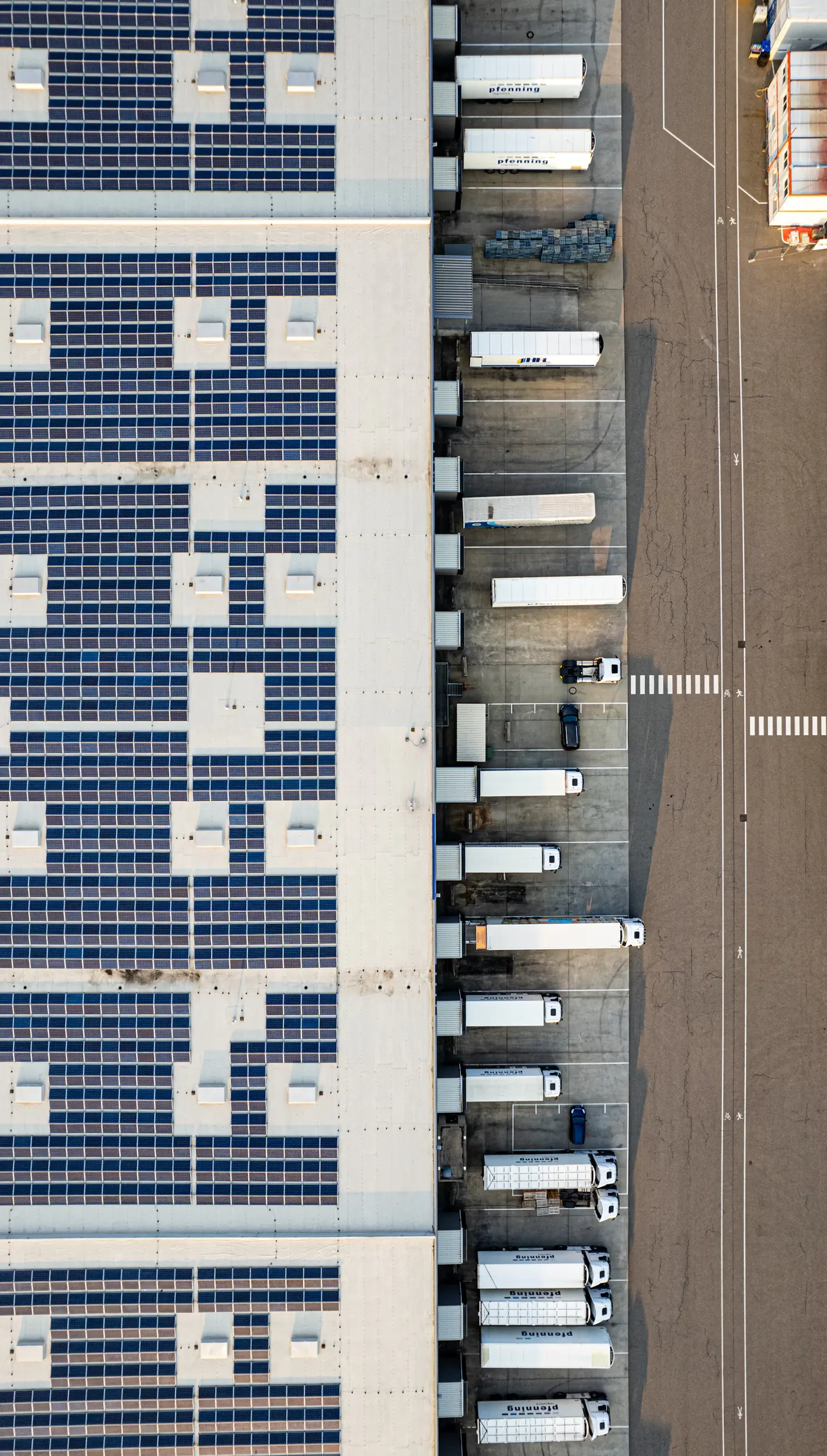 01
Which doors are working, and what should move next?
Explore application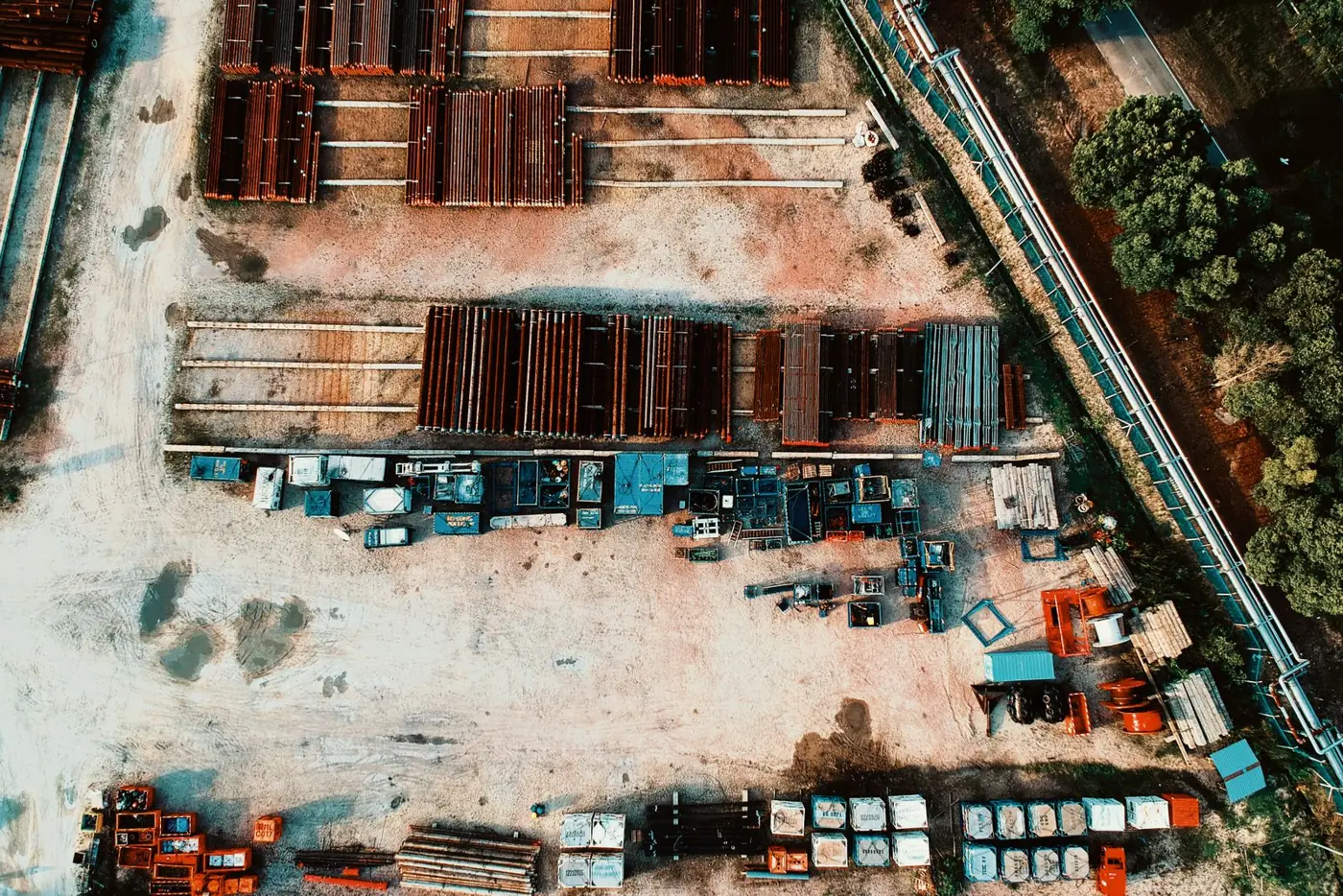 02
Where is the freight, and how hard is your equipment working?
Explore application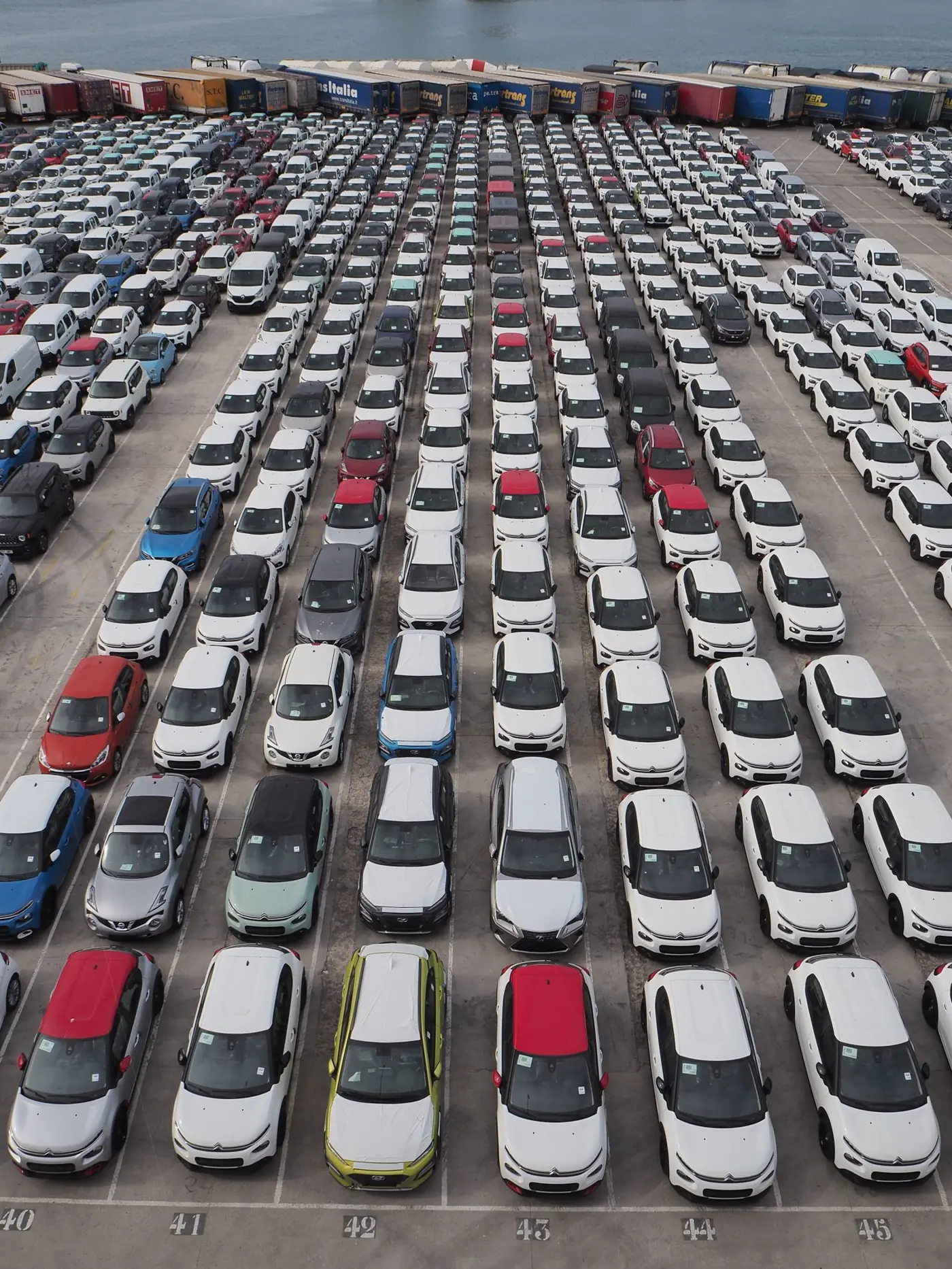 03
What has arrived, where is it, and what needs collecting?
Explore applicationSite photographs illustrate application types.
From camera access. No capital project and no site works.
The feed is processed and discarded. Run it on premises, or hosted with nothing installed on your network edge.
Your records name the units. Positions, times and state changes go out by API.
Six questions you already know the answers to. We build the savings report from them.
The road, yes. The warehouse system covers the shed. The site between the two is the gap. A beacon on a dropped trailer reports rarely, and a dolly, a pallet or a forklift usually has nothing. Indrus sees all of them, all day, and runs arrivals, doors and moves off what it sees.
A yard management system holds what someone last typed into it, and it's thinnest when the site is busiest. Indrus reads the yard from your cameras, so arrivals, door allocation and moves follow where every unit actually is and what every door is actually doing. Your bookings and work orders still come in to give units their names.
That's the case it was built for. Identity comes from following the unit from the moment it's first seen, so a bare dolly or a pallet on the hardstand is tracked the same as a trailer. Where you want a name on a unit, it comes from your own records.
Trucks turn faster and loads leave on time. A door blocked by a finished trailer gets cleared and reallocated instead of reading as full, the urgent move stops queueing behind a routine one, and the mover spends less of the shift driving empty. Where a contract sets free time or a carrier charges for standing time, you also hold your own record of it.
Yes. The ROI calculator takes six numbers you already know about your site, such as docks and truck visits a day, and we build a savings report from them. On the demo we go through it with you against a plan of your site.
Fixed cameras that can see the working areas, as they are. Run it on premises on a server we supply, or hosted with nothing installed on your network edge. Nothing is fitted to the assets. Where camera coverage is thin, a few cameras on existing poles fills it, and we'll tell you on the demo whether your site needs any.
It's processed and discarded, whether Indrus runs on a server at your site or hosted. No video is stored. What comes out is the record: positions, times and state changes. It's your data.
Yes. Every unit and every door, continuously, day and night. Volume is what it's for.
Outdoor sites and covered areas with fixed cameras, yes. High-bay warehousing, no. We'll tell you straight on the demo which of your sites suit.
Bring a plan of one site if you have one handy.