

Ports and vehicle terminals

Every vehicle on the berth. Timed from discharge to collection.

For vehicle-terminal operators and port authorities operating common-user precincts. Reconciled against the manifest, with nothing fitted to the units.

We reply the same working day.

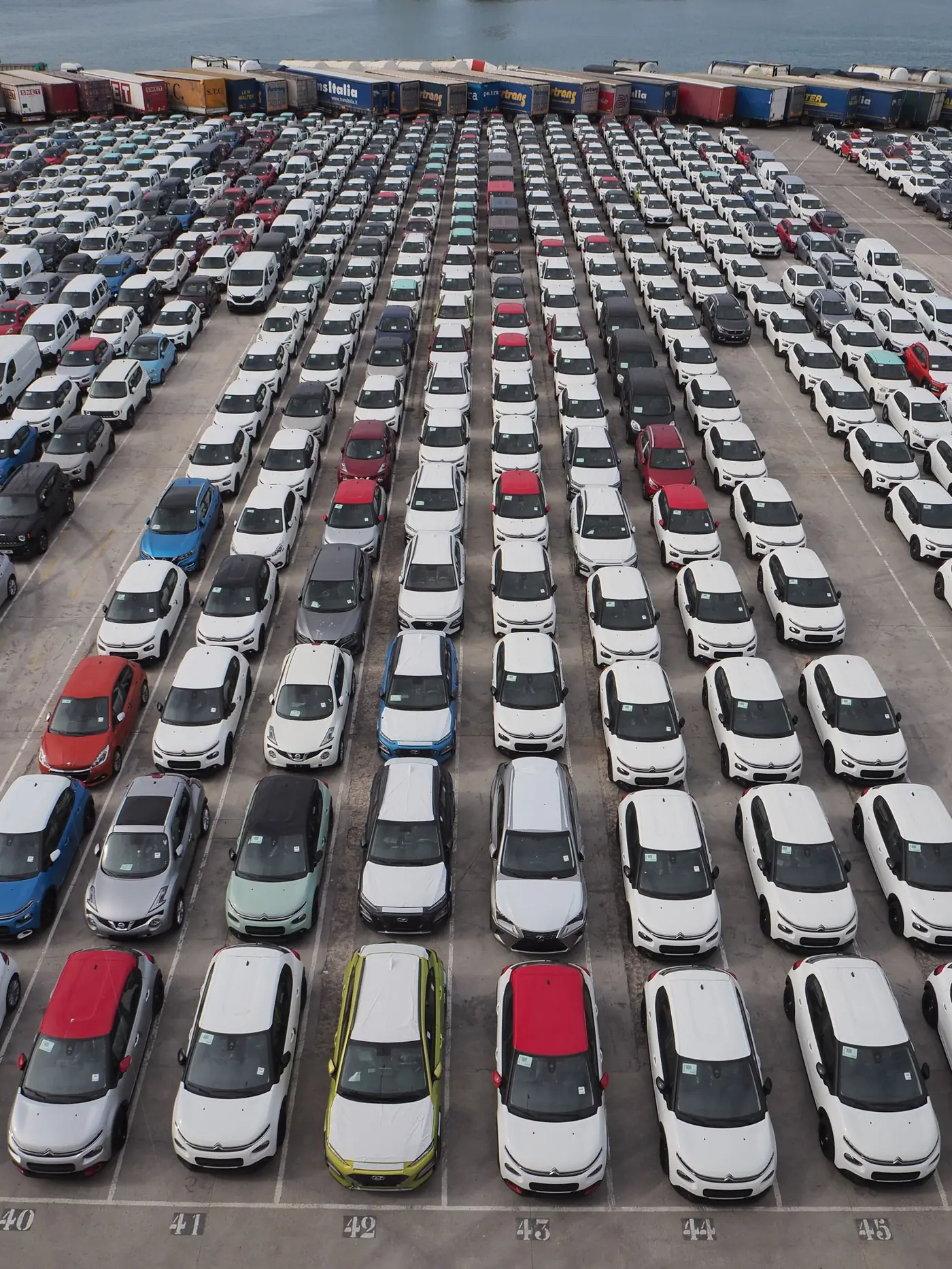
Rows of vehicles awaiting movement in a port precinct.
Your site, in view

From the manifest to its place on the ground.

Connect the shipping record to the vehicle, its location and its time on the berth.

Location and time, connected to your records.

See it for your site
01 / Ports and vehicle terminals

Discharge reconciled against the manifest.

Follow each unit from the ramp to its row and reconcile the count against the manifest as discharge proceeds. At an Australian port, Indrus tracked a full vehicle-carrier discharge on the port's existing cameras, and its count matched the ship's manifest to 99.7%.

02 / Ports and vehicle terminals

Dwell by unit. Dwell by consignee.

See how long each vehicle has been on the berth, which units are approaching their free days, and which consignees are consistently late to collect. Timed per-unit evidence supports the overstay conversation.

03 / Ports and vehicle terminals

Space for the next vessel plan.

See which rows are filling and which are clearing, with berth utilisation over the week and month. Movement records show where each unit went and when. Warnings identify units nearing free days and rows nearing capacity in time to act.

Overstay, delays and throughput

Where the value
sits.

The value of measuring the berth comes from overstay fees that currently go uncollected because the evidence is not there, from vessel delays and diversions avoided when the precinct is not holding units that should have left, and from throughput recovered when rows clear faster. The scale of each depends on annual throughput, the free-day rule and the collection behaviour of consignees. We will build it with your numbers on the demo.

Fits the way your site runs

Your records in.
The live site out.

Your bookings, work orders and manifests describe the plan. Indrus runs against it from the live state of the ground, and is typically live within a fortnight from camera access.

  • Your records give units their names.
  • Positions, times and events go out by API.
  • Run it on premises or hosted, with no video stored.
The practical facts
A few straight answers

Questions from terminal operators

Ask us something else

Your site. Your next decision.

See your berth, measured.

Bring a plan of the precinct. We will discuss what the record would show for your terminal.